Resources
About Us
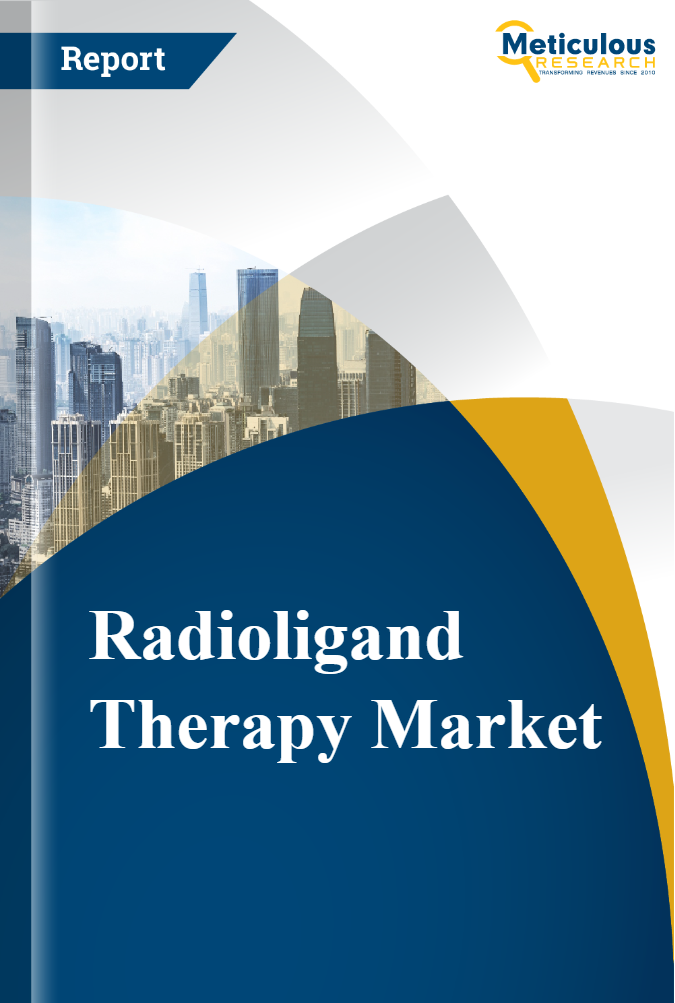
Radioligand Therapy Market Size
The global Radioligand Therapy Market was valued at USD 8.3 billion in 2025 and is projected to reach USD 9.8 billion in 2026. The market is expected to reach USD 45.6 billion by 2036, registering a CAGR of 16.8% during the forecast period (2026–2036).
Key Highlights
Market Overview
The Radioligand Therapy Market comprises targeted radiopharmaceutical products that combine a molecular targeting ligand, such as a peptide, small molecule, or antibody fragment, with a therapeutic radionuclide to selectively deliver cytotoxic radiation to cancer cells while sparing surrounding healthy tissue. These theranostic agents are typically paired with a diagnostic radiotracer counterpart, enabling PET or SPECT-based patient selection, dosimetry planning, and treatment response monitoring, and are used primarily in oncology indications including prostate cancer and neuroendocrine tumors, with an expanding pipeline addressing additional solid tumor types.
The market has been fundamentally reshaped by the commercial success and expanding indications of PSMA-targeted and SSTR-targeted radioligand therapies. Novartis reported that Pluvicto sales increased 42% in 2025, making it one of the company's fastest-growing priority brands. In March 2025, the FDA expanded Pluvicto's indication to PSMA-positive metastatic castration-resistant prostate cancer patients previously treated with an androgen receptor pathway inhibitor who could delay taxane chemotherapy; Novartis reported that the decision approximately tripled the eligible patient population. The market expanded further in July 2026, when the FDA approved Pluvicto in combination with an androgen receptor pathway inhibitor for PSMA-positive metastatic hormone-sensitive prostate cancer, extending RLT treatment into an earlier stage of metastatic prostate cancer. Novartis estimates that this latest approval nearly doubles the eligible patient population again. This progression from later-line treatment toward earlier disease settings is substantially increasing the potential addressable population for radioligand therapy and encouraging pharmaceutical companies to invest in additional PSMA-, SSTR-, and other tumor-targeted RLT programs.
Pharmaceutical investment in radioligand therapy is also accelerating, particularly around alpha-emitting radionuclides such as actinium-225. Bristol Myers Squibb completed its approximately US$4.1 billion acquisition of RayzeBio in 2024 to obtain an actinium-based RLT platform and RYZ101, while in July 2025 its RayzeBio subsidiary opened a 77,000-square-foot radiopharmaceutical manufacturing hub in Indianapolis designed for integrated RLT manufacturing and distribution. The facility is designed to enable delivery of RLT products to treatment centers within approximately three days after release, illustrating the increasing importance of geographically distributed manufacturing infrastructure for short-lived therapeutic radionuclides.
Radionuclide supply and manufacturing capacity remain important structural constraints. Novartis reported in July 2026 that five U.S. RLT manufacturing sites were operational or under construction to support the expanding Pluvicto patient population. The short half-lives and specialized production requirements of therapeutic radionuclides such as lutetium-177 and actinium-225 require tightly coordinated production, radiolabeling, quality control, transportation, and administration networks. The combination of rapidly expanding eligible patient populations, 42% Pluvicto sales growth in 2025, new FDA approvals, and investments in dedicated manufacturing facilities is therefore accelerating demand across the entire RLT value chain, from radionuclide production and radiopharmaceutical manufacturing to specialized logistics and nuclear medicine treatment infrastructure.
Market Drivers
Increasing Prevalence of Cancer
The rising global burden of prostate cancer, neuroendocrine tumors, and other solid tumors is expanding the addressable patient population for radioligand therapies, particularly as these treatments demonstrate survival benefits in later-line and increasingly earlier-line treatment settings. According to the WHO's 2026 Global Cancer Observatory update, approximately 20.6 million new cancer cases and 9.8 million cancer deaths occurred globally in 2024, with prostate cancer accounting for approximately 1.5 million new cases, making it the fourth most commonly diagnosed cancer worldwide. WHO also identifies prostate cancer among the five most commonly diagnosed cancers globally, while IARC projects that the global number of prostate cancer cases could reach nearly 3 million annually by 2040, more than doubling from current levels. The expanding cancer burden, aging populations, increasing diagnosis of biomarker-defined tumors, and movement of radioligand therapies into earlier treatment settings are expected to significantly increase the addressable population for targeted radiopharmaceuticals.
Increasing Adoption of Precision Oncology
The broader shift toward biomarker-driven precision oncology is supporting radioligand therapy adoption, as these treatments inherently rely on molecular target expression and PET-based patient selection to identify patients most likely to benefit. The FDA reported 32 notable precision-oncology therapeutic approvals in 2024, highlighting the continued expansion of biomarker-driven cancer treatment. By early 2025, more than 78 FDA-approved drug–companion diagnostic combinations had been identified, while a 2026 analysis of FDA oncology approvals found that companion-diagnostic-associated indications represented 43% of oncology indications by 2022. The FDA's current list also includes imaging tools as companion diagnostics, reinforcing the growing role of molecular and imaging-based patient selection in precision oncology. This expanding use of biomarkers and companion diagnostics is creating a favorable environment for radioligand therapies, which require confirmation of target expression through molecular imaging before treatment.
Market Restraints
Limited Availability of Therapeutic Radionuclides
Global production capacity for key therapeutic radionuclides such as Lutetium-177 and Actinium-225 remains limited relative to anticipated demand growth, creating supply constraints that can limit patient access and slow commercial scale-up of approved therapies.
Complex Manufacturing and Supply Chain Requirements
Radioligand therapy manufacturing requires specialized radiolabeling facilities, stringent quality control processes, and tightly coordinated cold-chain logistics due to the short half-lives of many therapeutic radionuclides, creating significant operational complexity and cost.
Market Opportunities
Expansion into Earlier Lines of Cancer Treatment
Clinical trials evaluating radioligand therapies in earlier treatment lines, exemplified by Pluvicto's 2025 label expansion into pre-taxane mCRPC, are creating substantial opportunities to expand the eligible patient population well beyond current later-line indications.
Development of Alpha-Particle Radioligand Therapies
Growing clinical and commercial interest in alpha-particle emitting radionuclides such as Actinium-225 and Lead-212, which offer higher relative biological effectiveness than beta emitters, is driving substantial investment in next-generation alpha-emitter radioligand therapy development.
Emergence of New Molecular Targets
Continued research into molecular targets beyond PSMA and SSTR, including FAP, GRPR, integrins, and HER2, is expanding the potential application scope of radioligand therapy into additional solid tumor indications.
Market Trends
Rising Momentum Toward Alpha-Emitter Radioligand Therapies
The radioligand therapy field is experiencing a pronounced strategic shift toward alpha-particle emitting radionuclides, reflected in major acquisitions such as Bristol Myers Squibb's purchase of RayzeBio and AstraZeneca's acquisition of Fusion Pharmaceuticals, both aimed at building next-generation alpha-emitter pipelines.
Expanding Theranostic Pairing and Companion Diagnostics
Radioligand therapy developers are increasingly designing therapeutic and diagnostic radiotracer pairs in tandem, reinforcing the theranostic model as the standard development approach and driving parallel growth in companion diagnostic PET imaging adoption.
Segment Analysis
Market Analysis by Product/Radioligand
Based on product and radioligand, the global Radioligand Therapy Market is segmented into Lutetium-177 Vipivotide Tetraxetan (Pluvicto), Lutetium-177 Dotatate (Lutathera), Lutetium-177 PNT2002, Radium-223 Dichloride (Xofigo), Actinium-225 PSMA-617, FPI-2265, TLX591, 225Ac-DOTATATE/225Ac-DOTATOC, 212Pb-DOTAMTATE, 67Cu-SAR-bisPSMA, I-131-1095, and Other Radioligand Therapies.
In 2026, Pluvicto is expected to account for the largest market share, reflecting its established commercial position in metastatic castration-resistant prostate cancer and its recently expanded label into pre-taxane patient populations. However, Actinium-225-based candidates such as Actinium-225 PSMA-617 are projected to register the fastest growth during the forecast period, driven by strong early clinical data and substantial pharmaceutical industry investment in alpha-emitter development.
Market Analysis by Radionuclide
Based on radionuclide, the market is segmented into Lutetium-177, Actinium-225, Radium-223, Lead-212, Copper-67, Iodine-131, Yttrium-90, and Other Radionuclides.
In 2026, Lutetium-177 is expected to account for the largest market share, supported by its use in both Pluvicto and Lutathera, the two leading commercially approved radioligand therapies. However, Actinium-225 is projected to register the fastest growth, driven by expanding clinical development of alpha-emitter therapies across multiple molecular targets.
Market Analysis by Molecular Target
Based on molecular target, the market is segmented into Prostate-Specific Membrane Antigen (PSMA), Somatostatin Receptors (SSTR), Fibroblast Activation Protein (FAP), Gastrin-Releasing Peptide Receptor (GRPR), Integrins, HER2, Carbonic Anhydrase IX (CAIX), and Other Molecular Targets.
In 2026, PSMA is expected to account for the largest market share, driven by the commercial success of PSMA-targeted therapies in prostate cancer and the depth of the PSMA-targeted clinical pipeline. However, FAP is projected to register the fastest growth, reflecting growing clinical interest in fibroblast activation protein as a target expressed across multiple solid tumor types.
Market Analysis by Indication
Based on indication, the market is segmented into Prostate Cancer, Neuroendocrine Tumors, Other Solid Tumors, Hematological Malignancies, Bone Metastases, and Other Indications.
In 2026, Prostate Cancer is expected to account for the largest market share, led by metastatic castration-resistant prostate cancer, reflecting Pluvicto's established commercial position and expanding label. However, Other Solid Tumors are projected to register the fastest growth, driven by expanding clinical development of radioligand therapies beyond prostate cancer and neuroendocrine tumors.
Market Analysis by End User
Based on end user, the market is segmented into Tertiary Care Academic & Comprehensive Cancer Centers, Specialized Nuclear Medicine Centers, Hospitals, Oncology Clinics, Research & Academic Institutions, and Other End Users.
In 2026, Tertiary Care Academic & Comprehensive Cancer Centers are expected to account for the largest market share, reflecting their established nuclear medicine infrastructure and radiation safety capabilities required for radioligand therapy administration. However, Specialized Nuclear Medicine Centers are projected to register the fastest growth, driven by increasing investment in dedicated radioligand therapy treatment infrastructure.
Geographic Analysis
Based on geography, the global Radioligand Therapy Market is segmented into North America, Europe, Asia-Pacific, Latin America, and the Middle East & Africa.
In 2026, North America is expected to account for the largest share of the global Radioligand Therapy Market. The region's leadership is underpinned by leading RLT developers, established nuclear medicine infrastructure, expanding radiopharmaceutical manufacturing capacity, and a favorable regulatory environment. In July 2026, the FDA approved Pluvicto for PSMA-positive metastatic hormone-sensitive prostate cancer, nearly doubling the eligible patient population and expanding RLT use into an earlier stage of metastatic disease. Novartis also had five U.S. RLT manufacturing sites operational or under construction in 2026, including its 10,000-square-foot Carlsbad facility opened in 2025 and a planned Texas facility expected to become operational in 2028. These investments are strengthening the U.S. radioligand manufacturing and distribution infrastructure and supporting continued regional market leadership.
However, Asia-Pacific is projected to register the highest CAGR during the forecast period. The region's growth is being supported by expanding RLT regulatory pathways, increasing radiopharmaceutical manufacturing capacity, and growing adoption of molecular imaging and precision oncology. Japan approved Pluvicto in 2025, and in March 2026 its Pharmaceuticals and Medical Devices Agency (PMDA) issued new considerations for the clinical development of PSMA-targeted PET radiopharmaceuticals, supporting broader adoption of PSMA-based theranostic pathways. Novartis is also expanding its RLT manufacturing footprint in Asia, including planned manufacturing capabilities in Sasayama, Japan, and Haiyan, Zhejiang, China. China's regulatory and treatment infrastructure is also expanding, with the country's Ministry of Ecology and Environment reporting that 21 institutions received radiation-safety licenses in 2025, including cancer and medical institutions. These developments, combined with rising cancer incidence and increasing investment in nuclear medicine infrastructure, are expected to accelerate RLT adoption across Asia-Pacific.
Competitive Landscape
The global Radioligand Therapy Market is moderately consolidated at the commercial stage, with Novartis holding a leading position through Pluvicto and Lutathera, while a broader group of clinical-stage developers, radioisotope producers, and pharmaceutical companies compete across the expanding pipeline. Companies compete primarily on clinical trial data, radionuclide supply security, manufacturing capacity, molecular target differentiation, and strategic partnerships across the radioligand therapy value chain.
Leading market participants are investing heavily in radionuclide production capacity expansion, pursuing strategic acquisitions to build alpha-emitter pipelines, and forming manufacturing and supply partnerships to secure access to constrained therapeutic radionuclides. Major recent moves include Bristol Myers Squibb's acquisition of RayzeBio, AstraZeneca's acquisition of Fusion Pharmaceuticals, and continued capacity investments by Novartis, Curium Pharma, and ITM Isotope Technologies Munich. Capacity expansions, clinical pipeline advancement, and pharmaceutical industry acquisitions remain the key strategies adopted by major vendors in this rapidly growing market.
The report provides a comprehensive competitive assessment of the leading companies operating in the global Radioligand Therapy Market. The key players profiled in the report include Novartis AG, Eli Lilly and Company, POINT Biopharma Global Inc., Telix Pharmaceuticals Limited, ITM Isotope Technologies Munich SE, RayzeBio, Inc. (Bristol Myers Squibb), Perspective Therapeutics, Inc., Fusion Pharmaceuticals Inc. (AstraZeneca), Curium Pharma, Eckert & Ziegler SE, Lantheus Holdings, Inc., RadioMedix Inc., Orano Med, and Sofie Biosciences, Inc.
Radioligand Therapy Market Research Summary:
|
Particulars |
Details |
|
Forecast Period |
2026–2036 |
|
Base Year |
2025 |
|
Estimated Year |
2026 |
|
CAGR (Value) |
16.8% |
|
Market Size (Value) in 2026 |
USD 9.8 Billion |
|
Market Size (Value) in 2036 |
USD 45.6 Billion |
|
Segments Covered |
By Product/Radioligand: Lutetium-177 Vipivotide Tetraxetan (Pluvicto), Lutetium-177 Dotatate (Lutathera), Lutetium-177 PNT2002, Radium-223 Dichloride (Xofigo), Actinium-225 PSMA-617, FPI-2265, TLX591 (177Lu-Rosopatamab Tetraxetan), 225Ac-DOTATATE/225Ac-DOTATOC, 212Pb-DOTAMTATE, 67Cu-SAR-bisPSMA, I-131-1095, Other Radioligand Therapies. By Radionuclide: Lutetium-177 (Lu-177), Actinium-225 (Ac-225), Radium-223 (Ra-223), Lead-212 (Pb-212), Copper-67 (Cu-67), Iodine-131 (I-131), Yttrium-90 (Y-90), Other Radionuclides. By Radiation Type: Beta Emitters, Alpha Emitters, Auger Electron Emitters. By Molecular Target: PSMA, SSTR, FAP, GRPR, Integrins, HER2, CAIX, Other Molecular Targets. By Indication: Prostate Cancer (mCRPC, mHSPC, Other), Neuroendocrine Tumors (GEP-NETs, GI-NETs, Pancreatic NETs, Other), Other Solid Tumors (SCLC, Breast, Pancreatic, Ovarian, Glioblastoma, Other), Hematological Malignancies, Bone Metastases, Other Indications. By Treatment Line: First-Line, Second-Line, Third-Line, Fourth-Line & Later, Maintenance, Combination Therapy. By Route of Administration: Intravenous, Intra-arterial, Other Routes. By End User: Tertiary Care Academic & Comprehensive Cancer Centers, Specialized Nuclear Medicine Centers, Hospitals, Oncology Clinics, Research & Academic Institutions, Other End Users. |
|
Countries Covered |
North America: U.S., Canada. Europe: Germany, U.K., France, Italy, Spain, Switzerland, Netherlands, Belgium, Sweden, Rest of Europe. Asia-Pacific: China, Japan, India, South Korea, Australia, Singapore, Taiwan, Rest of Asia-Pacific. Latin America: Brazil, Mexico, Argentina, Rest of Latin America. Middle East & Africa: UAE, Saudi Arabia, Israel, South Africa, Rest of Middle East & Africa. |
|
Key Companies |
Novartis AG, Eli Lilly and Company, POINT Biopharma Global Inc., Telix Pharmaceuticals Limited, ITM Isotope Technologies Munich SE, RayzeBio, Inc. (Bristol Myers Squibb), Perspective Therapeutics, Inc., Fusion Pharmaceuticals Inc. (AstraZeneca), Curium Pharma, Eckert & Ziegler SE, Lantheus Holdings, Inc., RadioMedix Inc., Orano Med, and Sofie Biosciences, Inc. |
Key Questions Answered in the Report
The global Radioligand Therapy Market is estimated at USD 9.8 billion in 2026.
The market is projected to reach USD 45.6 billion by 2036.
The market is driven by the increasing prevalence of cancer, increasing adoption of precision oncology, growing clinical adoption of PSMA-targeted and SSTR-targeted therapies, expanding radioligand therapy indications, increasing availability of PET-based patient selection, and growing pharmaceutical company investments.
Lutetium-177 Vipivotide Tetraxetan (Pluvicto) is expected to account for the largest market share in 2026, reflecting its established commercial position in prostate cancer.
Lutetium-177 is expected to account for the largest market share, supported by its use in both Pluvicto and Lutathera.
Prostate Cancer, led by metastatic castration-resistant prostate cancer, is expected to account for the largest market share in 2026.
Asia-Pacific is expected to witness the fastest growth, driven by expanding nuclear medicine infrastructure investment in China, Japan, and South Korea.
Leading companies include Novartis, Eli Lilly, POINT Biopharma, Telix Pharmaceuticals, ITM Isotope Technologies Munich, RayzeBio (Bristol Myers Squibb), Perspective Therapeutics, Fusion Pharmaceuticals (AstraZeneca), Curium Pharma, Eckert & Ziegler, Lantheus Holdings, RadioMedix, Orano Med, and Sofie Biosciences.
1. Introduction
1.1. Market Definition
1.2. Market Ecosystem
1.3. Currency and Limitations
1.3.1. Currency
1.3.2. Limitations
1.4. Key Stakeholders
2. Research Methodology
2.1. Research Approach
2.2. Data Collection & Validation Process
2.2.1. Secondary Research
2.2.2. Primary Research & Validation
2.2.2.1. Primary Interviews with Radioligand Therapy Experts
2.2.2.2. Country-/Region-Level Analysis
2.3. Market Estimation
2.3.1. Bottom-Up Approach
2.3.2. Top-Down Approach
2.3.3. Forecast Methodology
2.4. Data Triangulation
2.5. Assumptions
3. Executive Summary
4. Market Overview
4.1. Introduction
4.2. Radioligand Therapy Overview
4.2.1. Radioligand Therapy Concept
4.2.2. Targeted Radionuclide Therapy
4.2.3. Diagnostic-Therapeutic Pairing
4.2.4. Theranostics
4.2.5. Radioligand Therapy Treatment Workflow
4.2.6. Patient Selection
4.2.7. Dosimetry
4.2.8. Administration & Treatment Monitoring
4.3. Radioligand Therapy Components
4.3.1. Targeting Ligands
4.3.2. Chelators
4.3.3. Radionuclides
4.3.4. Linkers
4.3.5. Carrier Molecules
4.3.6. Diagnostic Counterparts
4.4. Market Dynamics
4.4.1. Drivers
4.4.1.1. Increasing Prevalence of Cancer
4.4.1.2. Increasing Adoption of Precision Oncology
4.4.1.3. Growing Clinical Adoption of PSMA-Targeted Therapies
4.4.1.4. Increasing Adoption of SSTR-Targeted Therapies
4.4.1.5. Expanding Radioligand Therapy Indications
4.4.1.6. Increasing Availability of PET-Based Patient Selection
4.4.1.7. Growing Investments in Radiopharmaceutical Development
4.4.1.8. Increasing Pharmaceutical Company Investments in Radioligand Therapy
4.4.2. Restraints
4.4.2.1. Limited Availability of Therapeutic Radionuclides
4.4.2.2. Complex Manufacturing and Supply Chain Requirements
4.4.2.3. High Treatment Costs
4.4.2.4. Limited Nuclear Medicine Infrastructure
4.4.2.5. Short Half-Life of Certain Radionuclides
4.4.2.6. Radiation Safety Requirements
4.4.3. Opportunities
4.4.3.1. Expansion into Earlier Lines of Cancer Treatment
4.4.3.2. Development of Alpha-Particle Radioligand Therapies
4.4.3.3. Emergence of New Molecular Targets
4.4.3.4. Expansion of Radioligand Therapy Beyond Prostate Cancer
4.4.3.5. Increasing Development of Combination Therapies
4.4.3.6. Development of Personalized Dosimetry
4.4.3.7. Increasing Adoption in Emerging Markets
4.4.3.8. Development of Next-Generation Radioligands
4.4.4. Challenges
4.4.4.1. Radionuclide Supply Constraints
4.4.4.2. Complex Radiopharmaceutical Manufacturing
4.4.4.3. Logistics and Radioactive Material Transportation
4.4.4.4. Limited Trained Nuclear Medicine Workforce
4.4.4.5. Regulatory Complexity Across Countries
4.4.4.6. Patient Access and Reimbursement Challenges
4.5. Technology Landscape
4.5.1. Beta-Particle Emitters
4.5.2. Alpha-Particle Emitters
4.5.3. Auger Electron Emitters
4.5.4. Peptide-Based Radioligands
4.5.5. Small-Molecule Radioligands
4.5.6. Antibody-Based Radioligands
4.5.7. Antibody Fragment-Based Radioligands
4.5.8. PSMA-Targeted Radioligands
4.5.9. SSTR-Targeted Radioligands
4.5.10. Next-Generation Targeting Technologies
4.6. Theranostic Workflow
4.6.1. Molecular Target Identification
4.6.2. Diagnostic Imaging
4.6.3. Patient Selection
4.6.4. Radioligand Selection
4.6.5. Treatment Planning
4.6.6. Dosimetry
4.6.7. Radioligand Administration
4.6.8. Treatment Monitoring
4.6.9. Response Assessment
4.7. Radioligand Therapy Ecosystem
4.7.1. Radioligand Developers
4.7.2. Pharmaceutical Companies
4.7.3. Radionuclide Suppliers
4.7.4. Radioisotope Producers
4.7.5. Radiopharmaceutical Manufacturers
4.7.6. Contract Development & Manufacturing Organizations
4.7.7. Nuclear Medicine Centers
4.7.8. Diagnostic Imaging Providers
4.7.9. Hospitals & Cancer Centers
4.7.10. Research Organizations
4.8. Value Chain Analysis
4.8.1. Radionuclide Production
4.8.2. Ligand Development
4.8.3. Radiolabeling
4.8.4. Radiopharmaceutical Manufacturing
4.8.5. Quality Control
4.8.6. Packaging & Distribution
4.8.7. Diagnostic Imaging
4.8.8. Patient Treatment
4.8.9. Treatment Monitoring
4.9. Regulatory Landscape
4.9.1. U.S. Regulatory Landscape
4.9.2. European Regulatory Landscape
4.9.3. Asia-Pacific Regulatory Landscape
4.9.4. Radiopharmaceutical Manufacturing Requirements
4.9.5. Good Manufacturing Practices
4.9.6. Radiation Safety Regulations
4.9.7. Clinical Trial Requirements
4.9.8. Companion Diagnostic Requirements
4.10. Reimbursement Landscape
4.10.1. Reimbursement for Radioligand Therapy
4.10.2. Reimbursement for Diagnostic Imaging
4.10.3. Hospital-Based Reimbursement
4.10.4. Private Insurance Coverage
4.10.5. Government Reimbursement Programs
4.10.6. Patient Access Programs
4.11. Porter's Five Forces Analysis
4.12. Investment & Industry Trends
4.12.1. Pharmaceutical Investments in Radioligand Therapy
4.12.2. Radiopharmaceutical Manufacturing Investments
4.12.3. Radionuclide Production Investments
4.12.4. Alpha-Emitter Investments
4.12.5. Radioligand Therapy Acquisitions
4.12.6. Strategic Partnerships & Licensing
4.12.7. Expansion of Nuclear Medicine Infrastructure
4.12.8. Clinical Pipeline Expansion
5. Radioligand Therapy Market, by Product/Radioligand
5.1. Introduction
5.2. Lutetium-177 Vipivotide Tetraxetan (Pluvicto)
5.3. Lutetium-177 Dotatate (Lutathera)
5.4. Lutetium-177 PNT2002
5.5. Radium-223 Dichloride (Xofigo)
5.6. Actinium-225 PSMA-617
5.7. FPI-2265
5.8. TLX591 (177Lu-Rosopatamab Tetraxetan)
5.9. 225Ac-DOTATATE / 225Ac-DOTATOC
5.10. 212Pb-DOTAMTATE
5.11. 67Cu-SAR-bisPSMA
5.12. I-131-1095
5.13. Other Radioligand Therapies
6. Radioligand Therapy Market, by Radionuclide
6.1. Introduction
6.2. Lutetium-177 (Lu-177)
6.3. Actinium-225 (Ac-225)
6.4. Radium-223 (Ra-223)
6.5. Lead-212 (Pb-212)
6.6. Copper-67 (Cu-67)
6.7. Iodine-131 (I-131)
6.8. Yttrium-90 (Y-90)
6.9. Other Radionuclides
7. Radioligand Therapy Market, by Radiation Type
7.1. Introduction
7.2. Beta Emitters
7.3. Alpha Emitters
7.4. Auger Electron Emitters
8. Radioligand Therapy Market, by Molecular Target
8.1. Introduction
8.2. Prostate-Specific Membrane Antigen (PSMA)
8.3. Somatostatin Receptors (SSTR)
8.4. Fibroblast Activation Protein (FAP)
8.5. Gastrin-Releasing Peptide Receptor (GRPR)
8.6. Integrins
8.7. HER2
8.8. Carbonic Anhydrase IX (CAIX)
8.9. Other Molecular Targets
9. Radioligand Therapy Market, by Indication
9.1. Introduction
9.2. Prostate Cancer
9.2.1. Metastatic Castration-Resistant Prostate Cancer
9.2.2. Metastatic Hormone-Sensitive Prostate Cancer
9.2.3. Other Prostate Cancer Applications
9.3. Neuroendocrine Tumors
9.3.1. Gastroenteropancreatic Neuroendocrine Tumors
9.3.2. Gastrointestinal Neuroendocrine Tumors
9.3.3. Pancreatic Neuroendocrine Tumors
9.3.4. Other Neuroendocrine Tumors
9.4. Other Solid Tumors
9.4.1. Small-Cell Lung Cancer
9.4.2. Breast Cancer
9.4.3. Pancreatic Cancer
9.4.4. Ovarian Cancer
9.4.5. Glioblastoma
9.4.6. Other Solid Tumors
9.5. Hematological Malignancies
9.6. Bone Metastases
9.7. Other Indications
10. Radioligand Therapy Market, by Treatment Line
10.1. Introduction
10.2. First-Line Therapy
10.3. Second-Line Therapy
10.4. Third-Line Therapy
10.5. Fourth-Line & Later Therapy
10.6. Maintenance Therapy
10.7. Combination Therapy
11. Radioligand Therapy Market, by Route of Administration
11.1. Introduction
11.2. Intravenous Administration
11.3. Intra-arterial Administration
11.4. Other Routes of Administration
12. Radioligand Therapy Market, by End User
12.1. Introduction
12.2. Tertiary Care Academic & Comprehensive Cancer Centers
12.3. Specialized Nuclear Medicine Centers
12.4. Hospitals
12.5. Oncology Clinics
12.6. Research & Academic Institutions
12.7. Other End Users
13. Radioligand Therapy Market, by Geography
13.1. Introduction
13.2. North America
13.2.1. U.S.
13.2.2. Canada
13.3. Europe
13.3.1. Germany
13.3.2. U.K.
13.3.3. France
13.3.4. Italy
13.3.5. Spain
13.3.6. Switzerland
13.3.7. Netherlands
13.3.8. Belgium
13.3.9. Sweden
13.3.10. Rest of Europe
13.4. Asia-Pacific
13.4.1. China
13.4.2. Japan
13.4.3. India
13.4.4. South Korea
13.4.5. Australia
13.4.6. Singapore
13.4.7. Taiwan
13.4.8. Rest of Asia-Pacific
13.5. Latin America
13.5.1. Brazil
13.5.2. Mexico
13.5.3. Argentina
13.5.4. Rest of Latin America
13.6. Middle East & Africa
13.6.1. UAE
13.6.2. Saudi Arabia
13.6.3. Israel
13.6.4. South Africa
13.6.5. Rest of Middle East & Africa
14. Competitive Landscape
14.1. Overview
14.2. Key Growth Strategies
14.3. Competitive Benchmarking
14.4. Competitive Dashboard
14.4.1. Market Leaders
14.4.2. Market Differentiators
14.4.3. Vanguards
14.4.4. Emerging Players
14.5. Market Share/Rank Analysis, by Key Player (2025)
15. Company Profiles
(Business Overview, Financial Overview, Radioligand Therapy Portfolio,
Pipeline, Manufacturing Capabilities, Strategic Developments,
SWOT Analysis)
15.1. Novartis AG
15.2. Eli Lilly and Company
15.3. POINT Biopharma Global Inc.
15.4. Telix Pharmaceuticals Limited
15.5. ITM Isotope Technologies Munich SE
15.6. RayzeBio, Inc. (Bristol Myers Squibb)
15.7. Perspective Therapeutics, Inc.
15.8. Fusion Pharmaceuticals Inc. (AstraZeneca)
15.9. Clovis Oncology / Novartis Radiopharmaceuticals
15.10. Curium Pharma
15.11. Eckert & Ziegler SE
15.12. Lantheus Holdings, Inc.
15.13. RadioMedix Inc.
15.14. Orano Med
15.15. Sofie Biosciences, Inc.
16. Appendix
16.1. Related Reports
16.2. Customization Options













Published Date: Feb-2026
Published Date: Jan-2025
Published Date: Jan-2025
Published Date: Jan-2025
Subscribe to get the latest industry updates